
2025暑期考古人才種子培訓計劃心得 - 李若雅
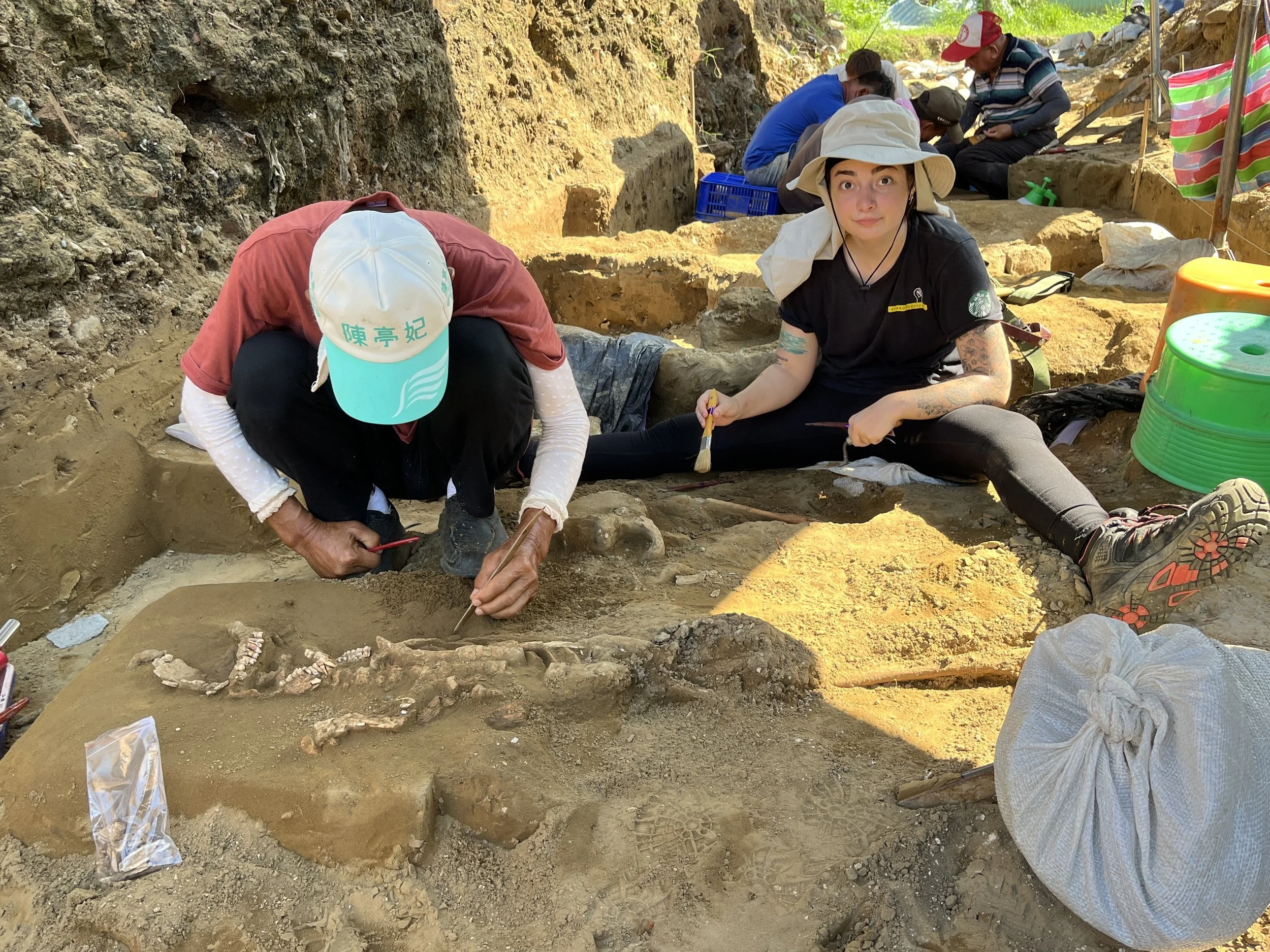
臺大人類學系 李若雅
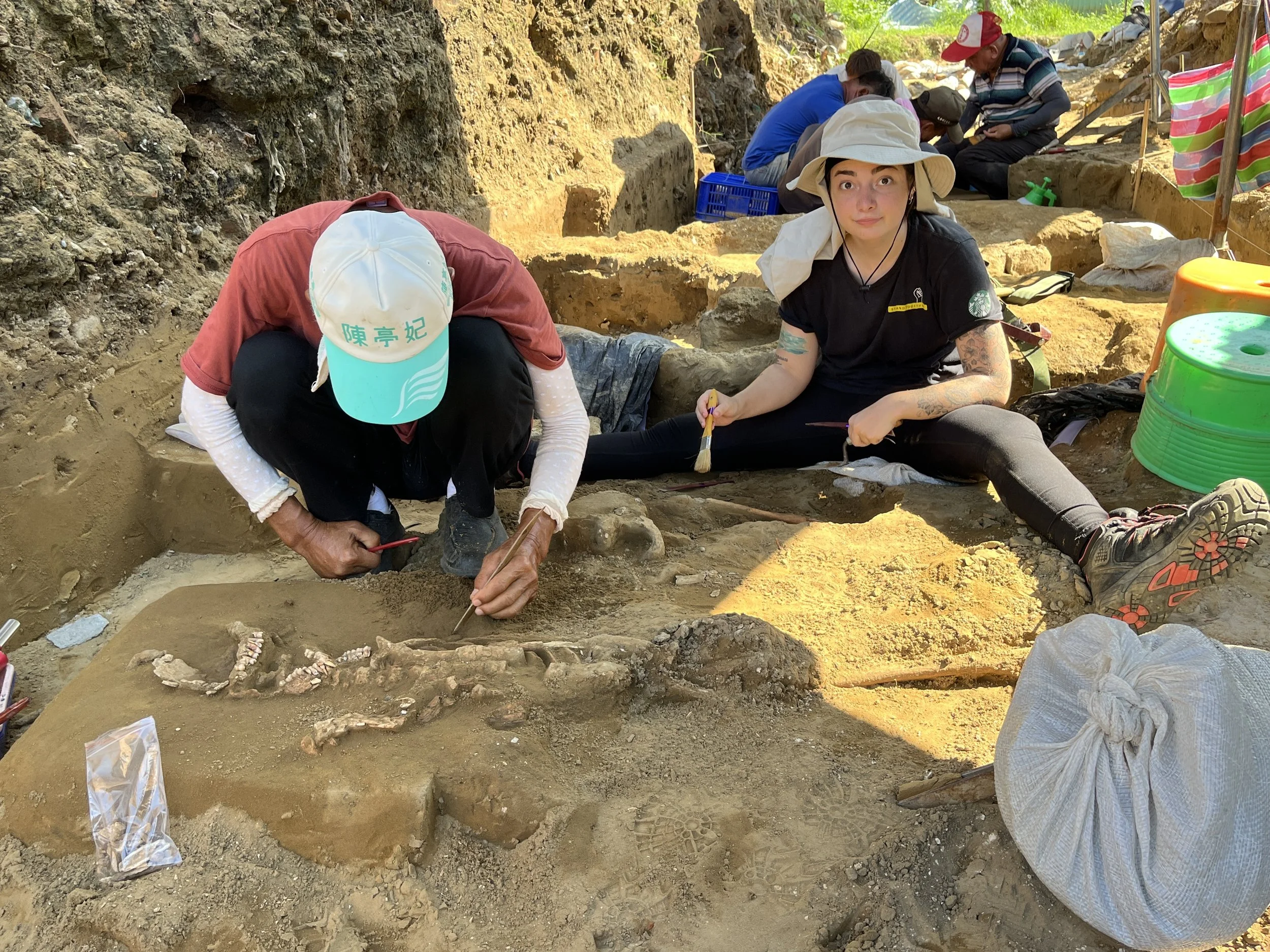
Looking back on my recent fieldwork experience in Tainan with Archaeoquest, I feel incredibly grateful for the opportunity to grow both as an archaeologist and as a person. Although this wasn’t my very first excavation, it was the first time I was able to spend real time working with bones, which is something I’ve been hoping to do since I first became interested in anthropology. This project felt like an important step toward the kind of work I want to dedicate my career to.
During my time studying anthropology at National Taiwan University, I learned how broad and diverse the field can be. From cultural anthropology to archaeology to museum studies, each area offers different perspectives on human history. But while classes and textbooks gave me a solid foundation, I’ve always felt that archaeology only comes fully alive in the field. Being in Tainan, carefully uncovering the past with my own hands, showed me how the theories I studied in the classroom connect directly to real human lives.
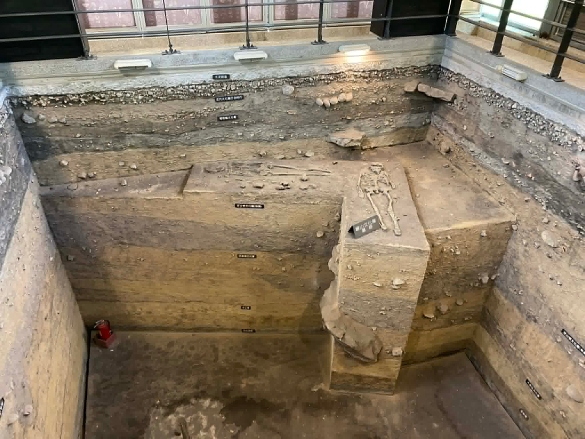
The chance to work with bones was by far the most meaningful part of this dig for me. Human remains can tell us stories that artifacts alone cannot. From aspects of life such as health and diet, to cultural practices surrounding life and death, careful observation of bones gives archaeologists a wealth of information. During these past couple months, I got the opportunity to handle and identify skeletal elements, learn how to record them properly, and consider what they mean in a broader context, which was both exciting and humbling. It reminded me why I was drawn to osteoarchaeology in the first place: bones connect us directly to people, to their experiences, and to the realities of their lives. This was the first time I got to really develop those skills in practice, and it confirmed for me that this is the direction I want to continue pursuing.
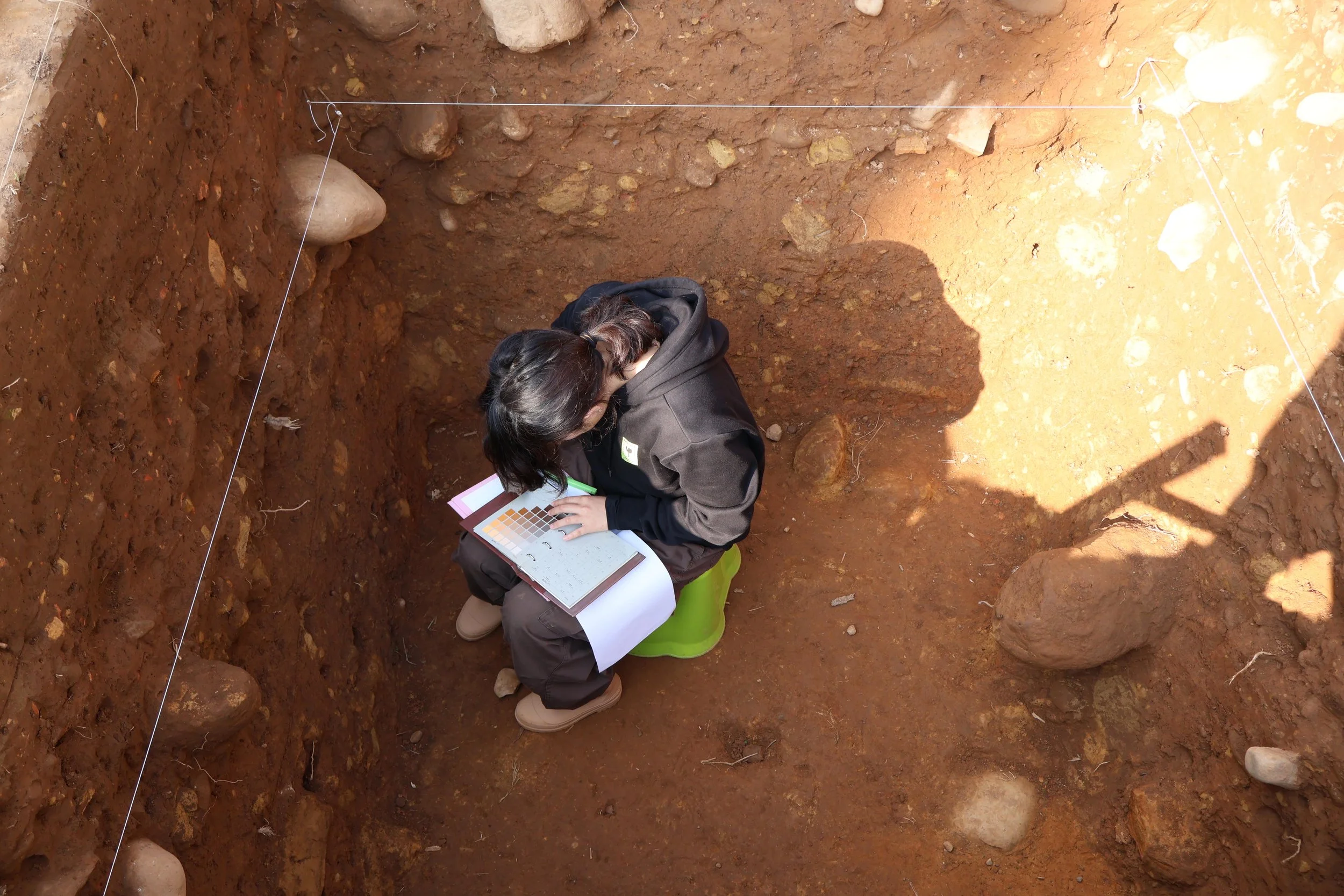
Of course, this experience also challenged me to refine the basics of excavation. Paying attention to subtle soil changes, working carefully and patiently, and keeping thorough records were all crucial parts of the job. Working with fragile bones added another level of responsibility. Every movement had to be precise, and every decision needed to take preservation into account. I became much more comfortable using fine excavation tools, and I learned how to balance efficiency with the care that human remains demand.
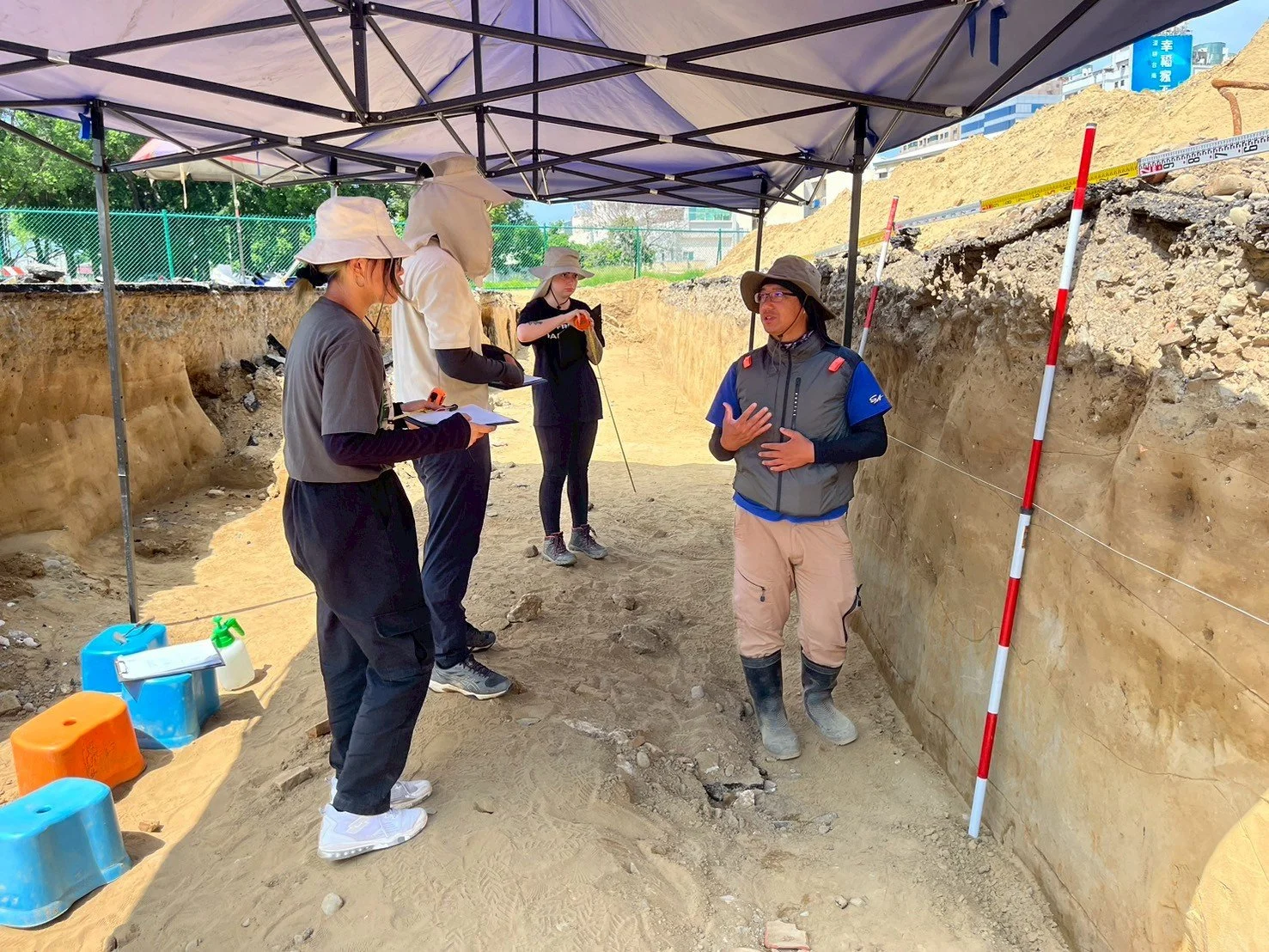
Another part of this project that stood out to me was the teamwork. Excavations are always collaborative, but working with bones makes it even clearer how much we rely on one another. Whether it was sharing observations, helping steady a delicate fragment, or double-checking documentation, the work required trust and communication. I really valued the chance to learn from teammates who had different expertise, and I appreciated the trust they placed in me to handle sensitive material. That sense of being part of a team, all working toward the same goal, was motivating and inspiring.
Working in Tainan itself was also very meaningful. Having studied anthropology in Taiwan for several years, I’ve encountered Taiwanese archaeology in books, lectures, and museum displays. But being in the ground, carefully excavating material that hasn’t been seen for centuries, brought everything into sharper focus. It’s one thing to read about cultural transitions in Taiwan’s past; it’s another to actually hold those histories in your hands. That sense of connection to place and time deepened my appreciation for Taiwan’s archaeological record and made me feel more rooted in the work I’ve been studying.
This dig also gave me a clearer sense of where I want to go next. My long-term goal is to keep working with human remains, either through archaeological research or through conservation in a museum setting. The skills I practiced in Tainan are directly relevant to both paths. More importantly, the experience gave me a stronger sense of purpose. It’s one thing to imagine yourself working in osteoarchaeology; it’s another to actually do the work and feel how right it is for you.
I’m deeply grateful to Archaeoquest for making this experience possible and for trusting me with responsibilities that challenged me to grow. Being hired to do this work as a student was encouraging in itself, and the experience I gained will stay with me as I move forward. I feel more confident in my abilities, more motivated to keep learning, and more determined to contribute to the respectful study and care of human remains.
In the end, the Tainan excavation was more than just another step in my training. It was a turning point. It showed me what it really means to handle the past with care, to work as part of a dedicated team, and to bring together knowledge, patience, and respect in the field. It also reminded me of the responsibility that comes with this kind of work: we are not only uncovering history, but also caring for it on behalf of future generations.
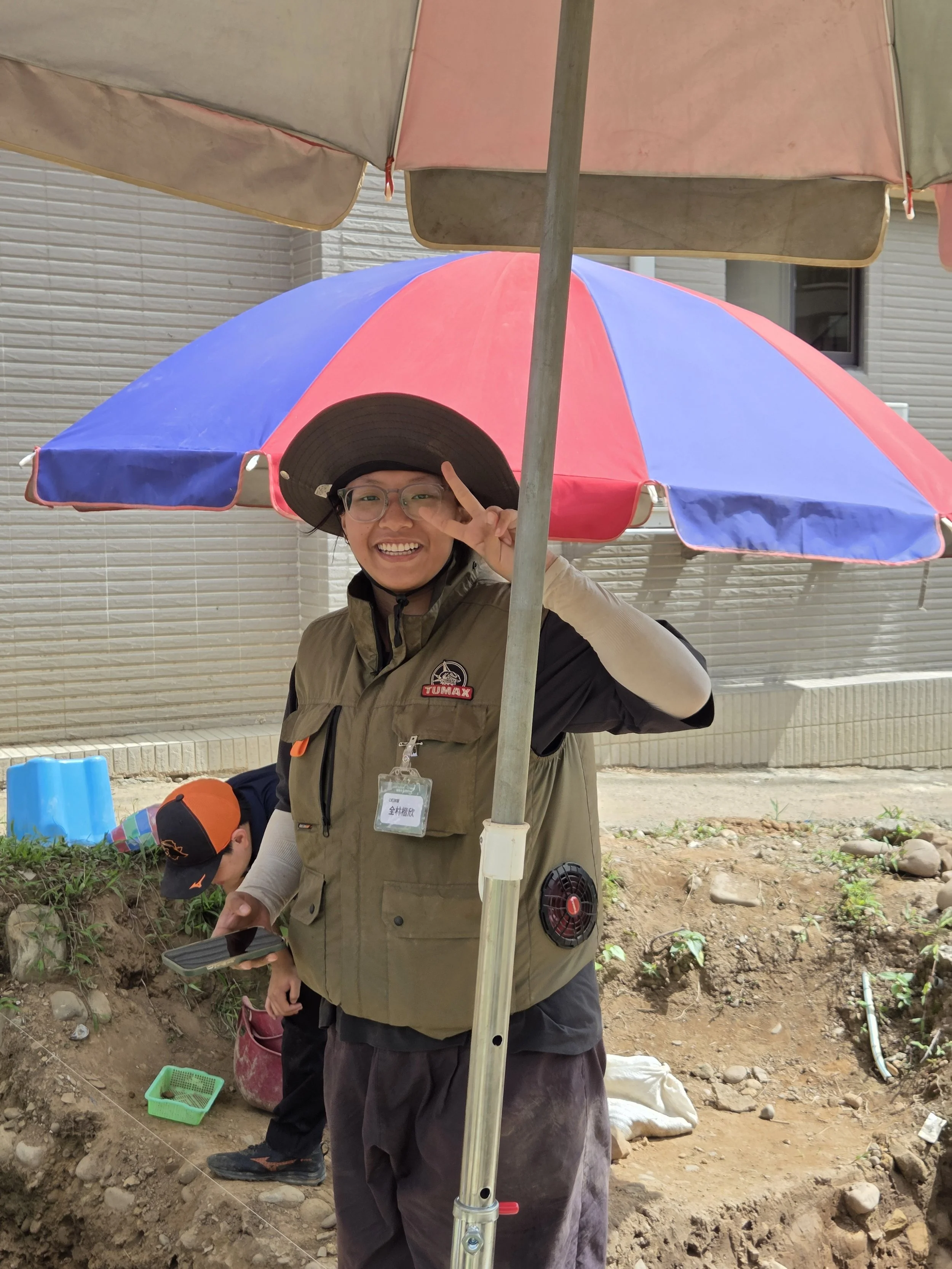
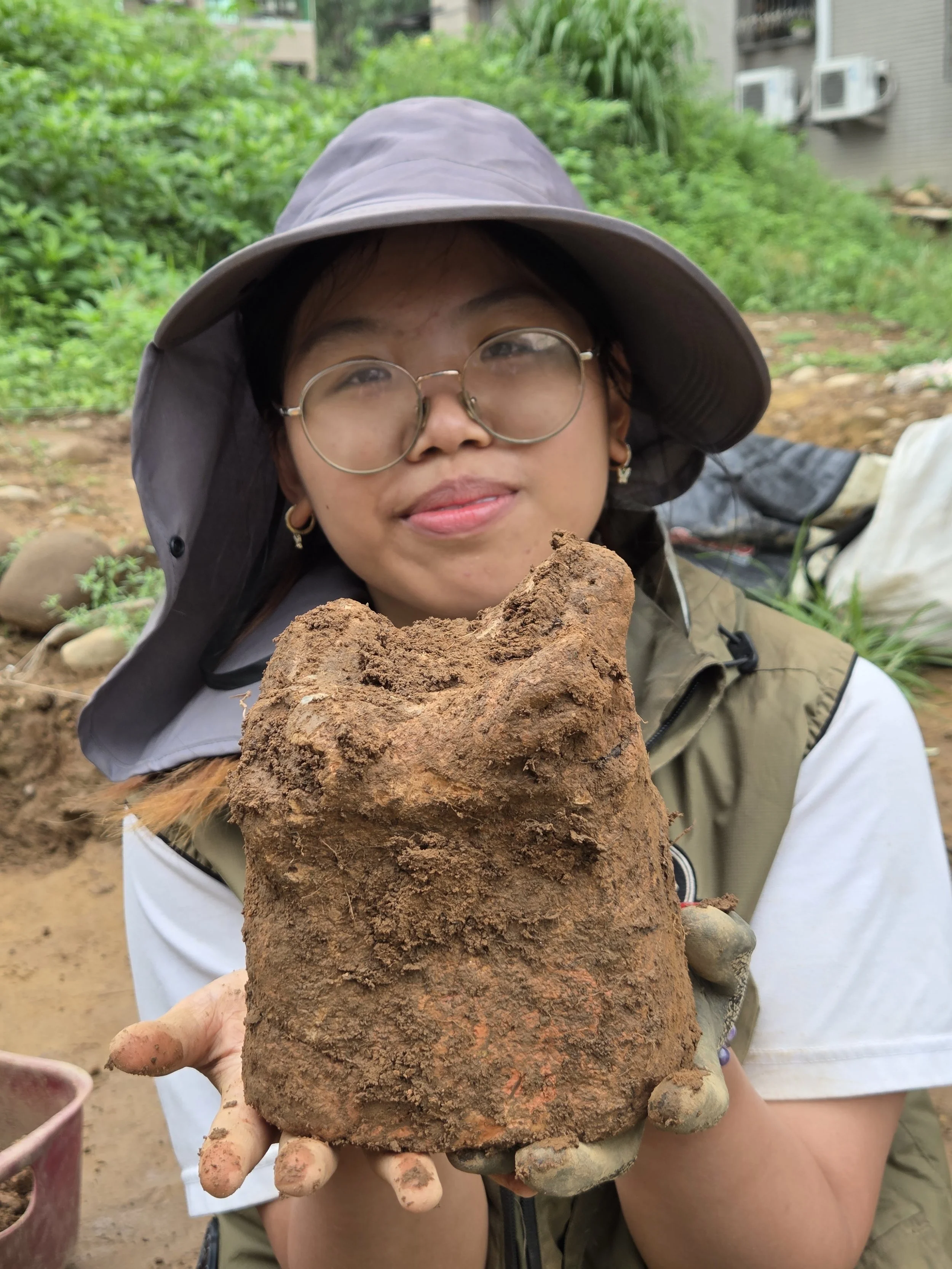
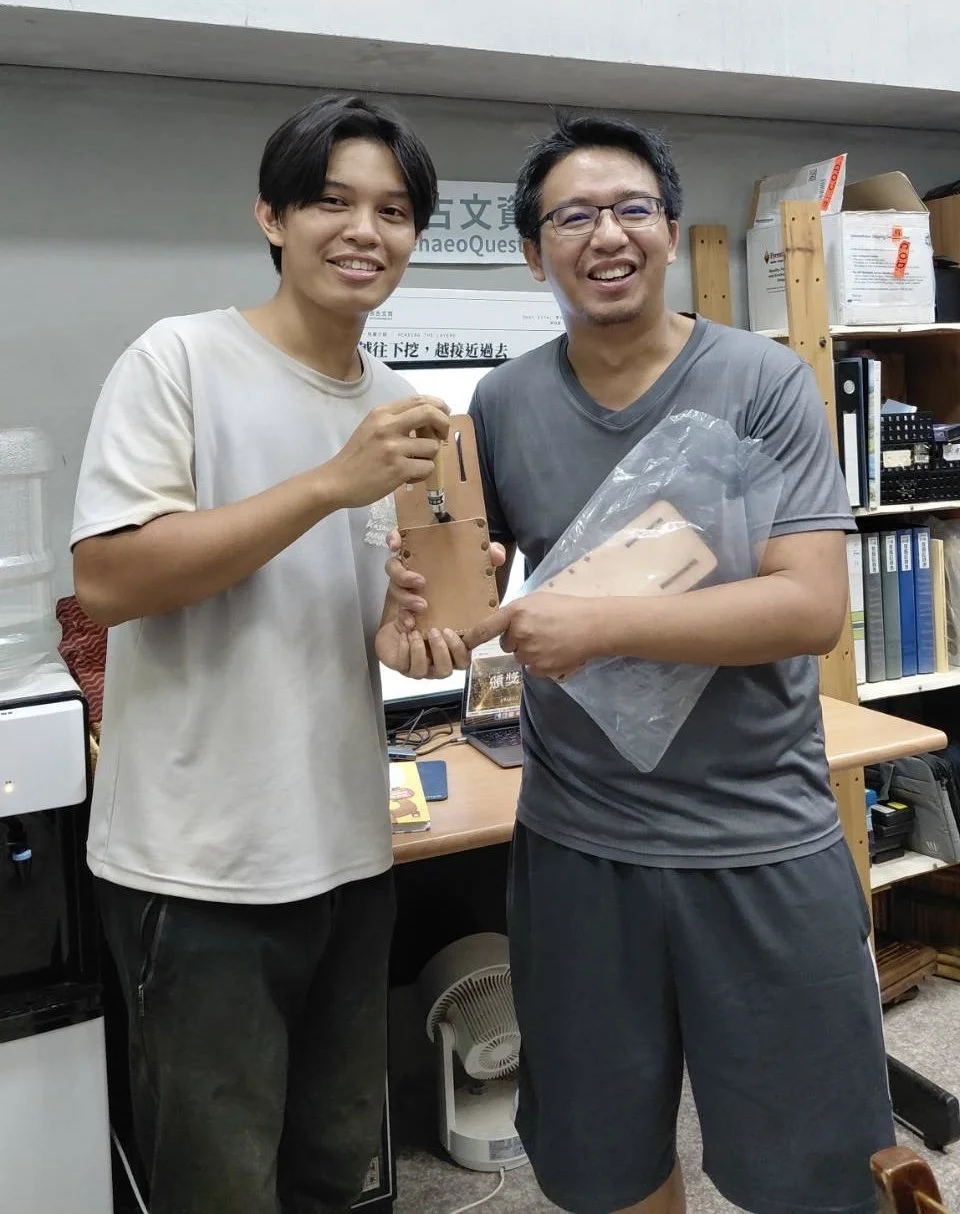
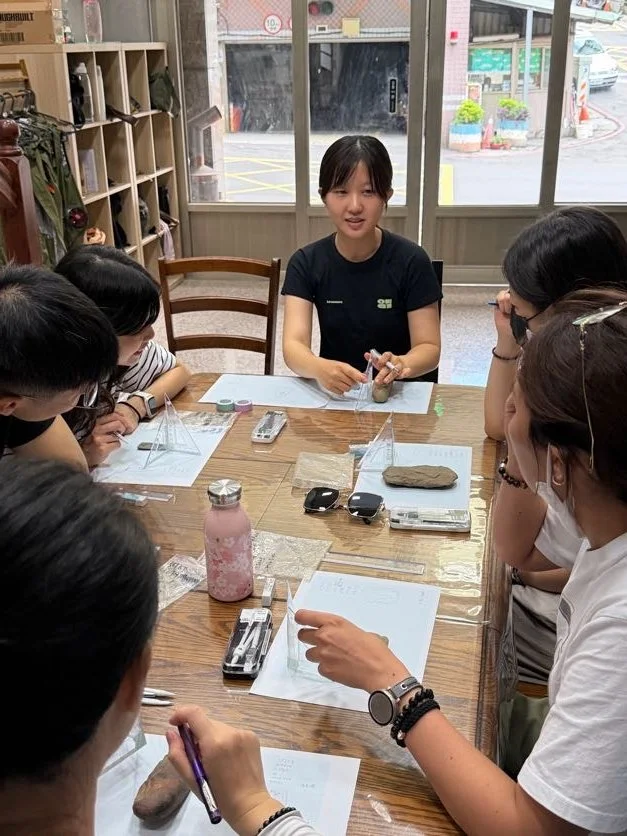
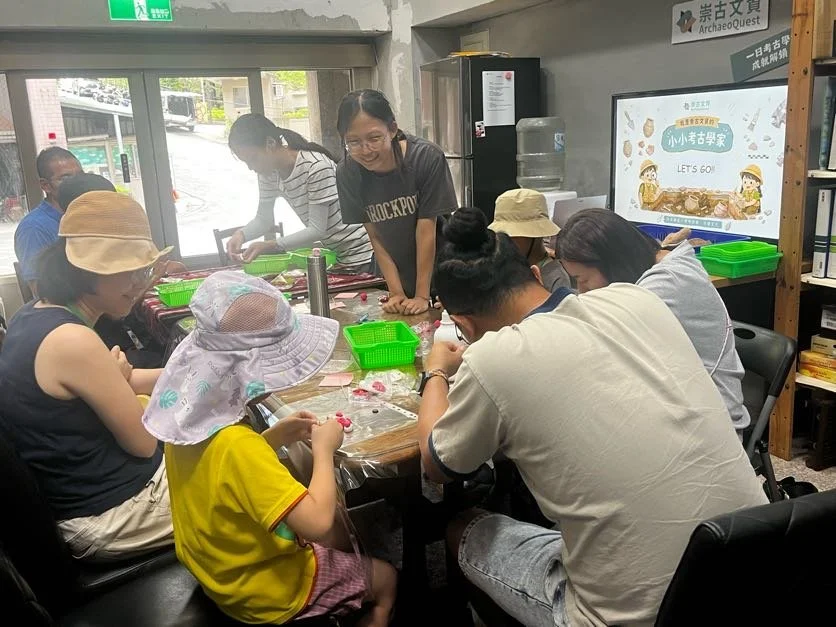
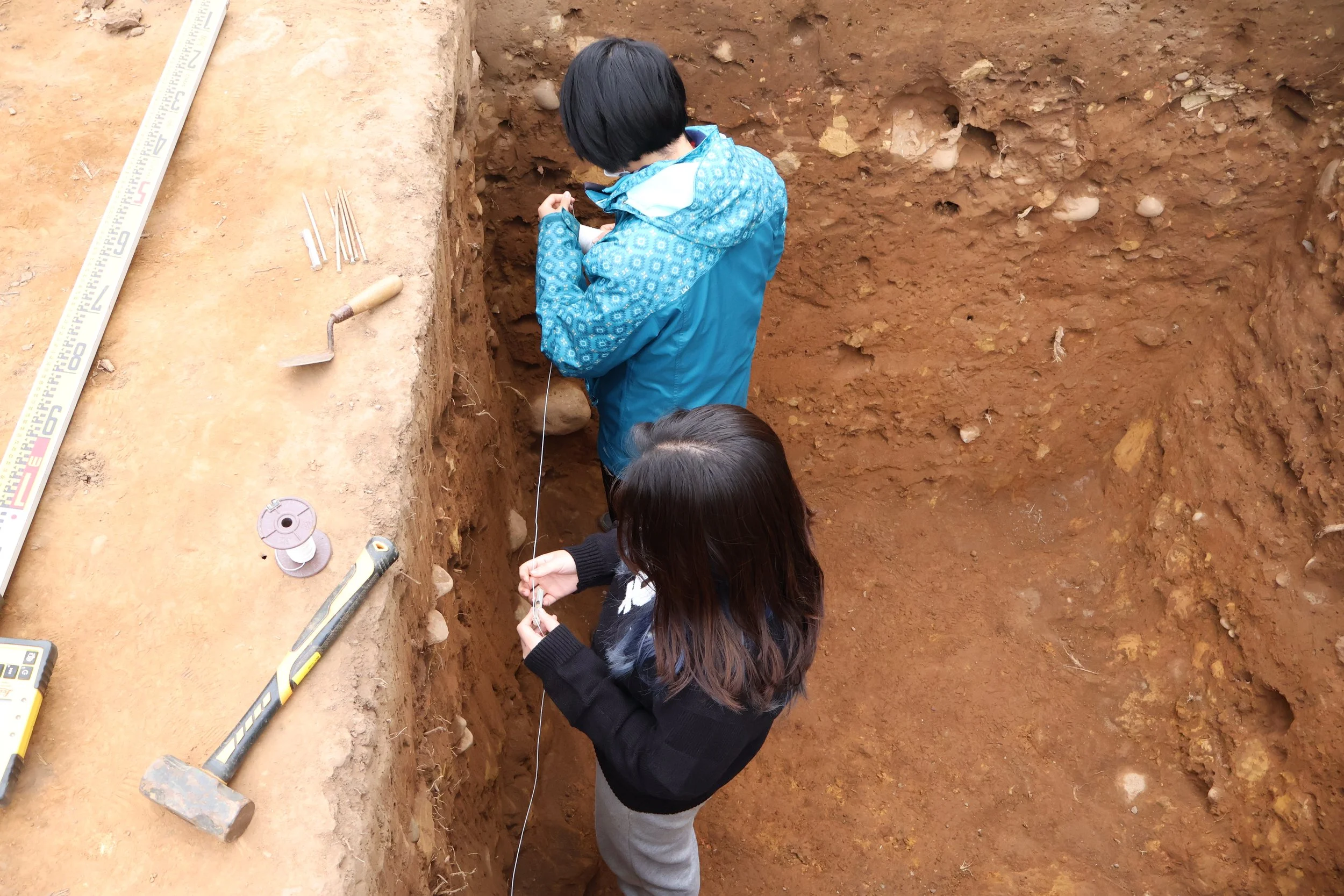
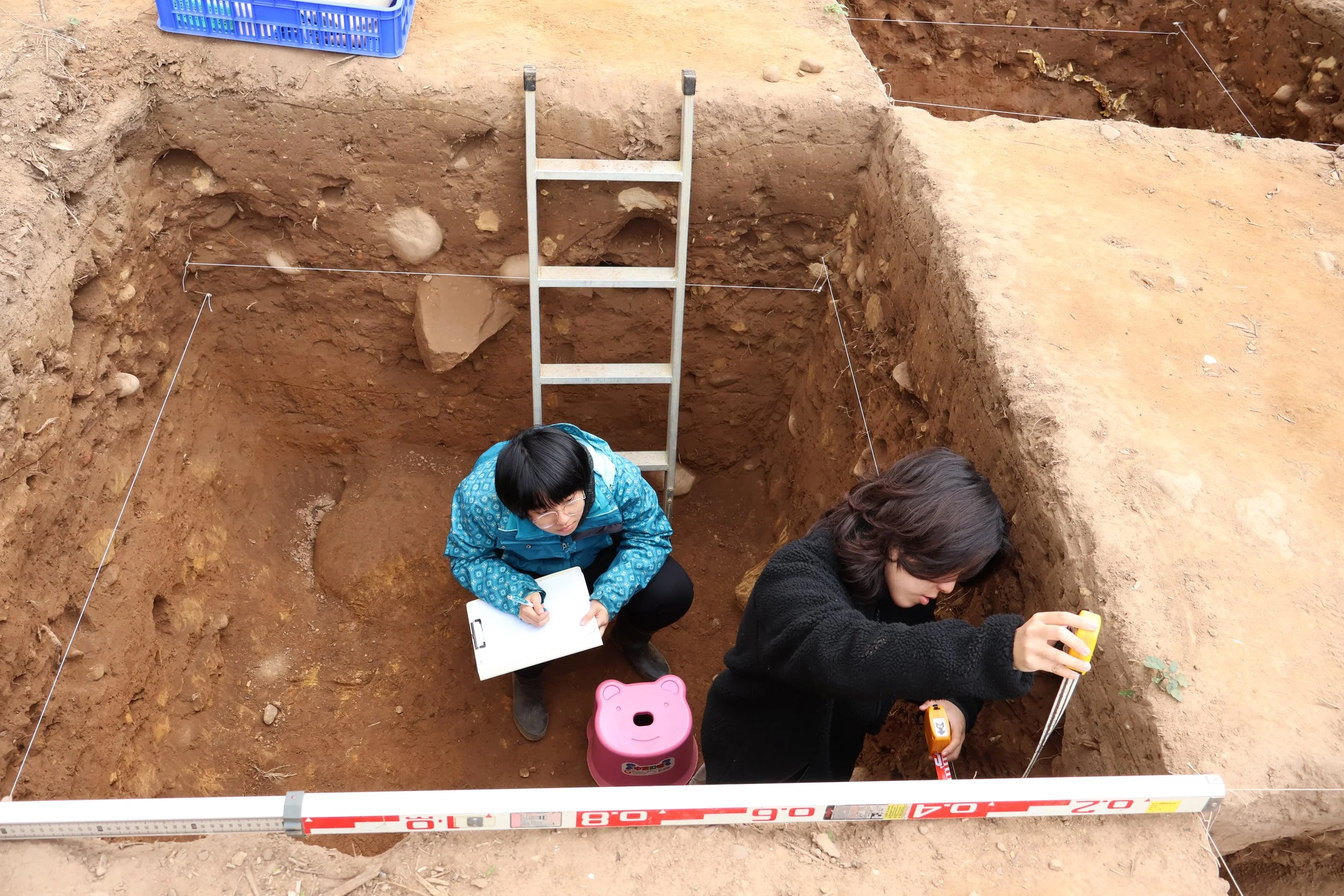
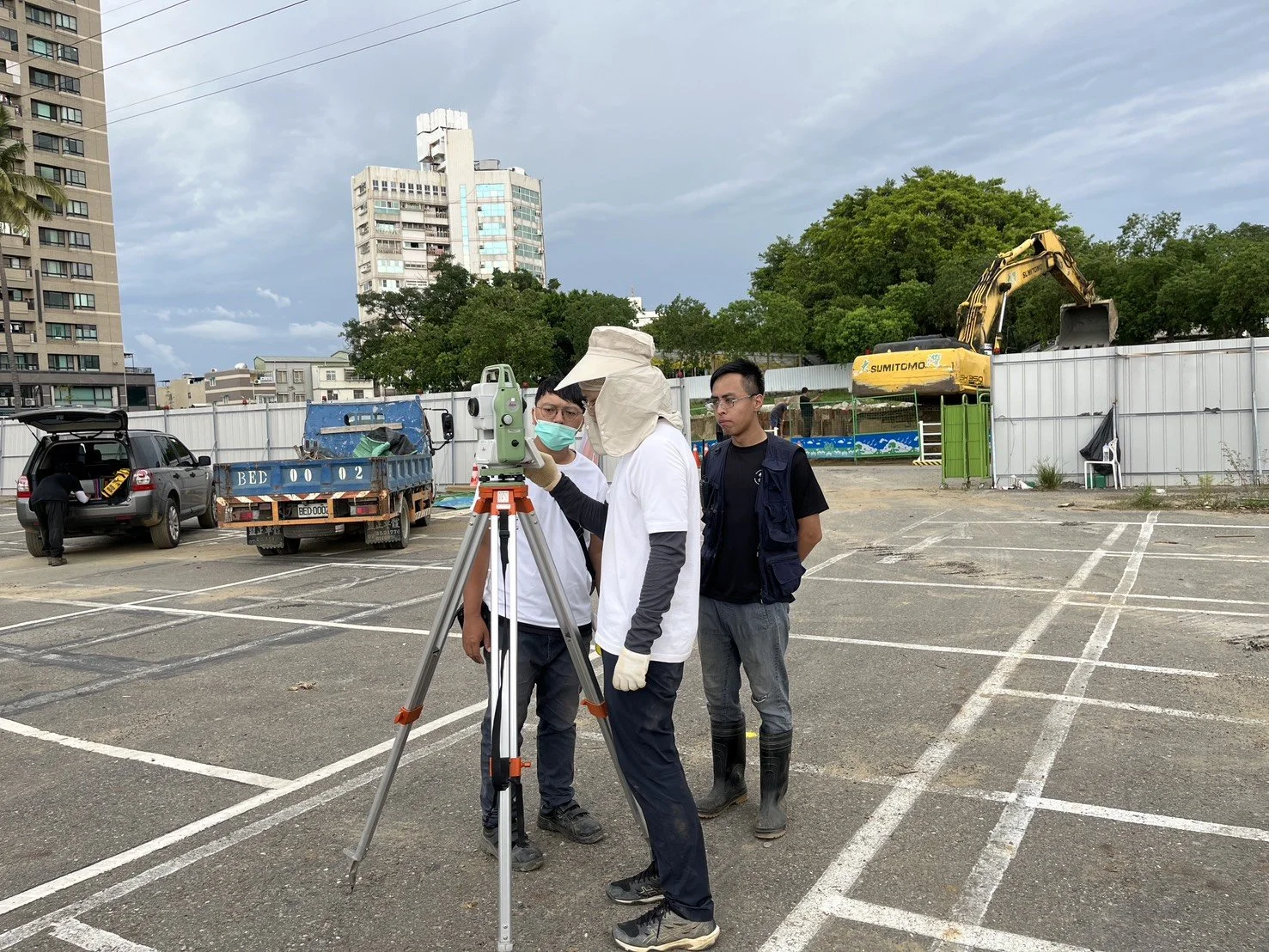
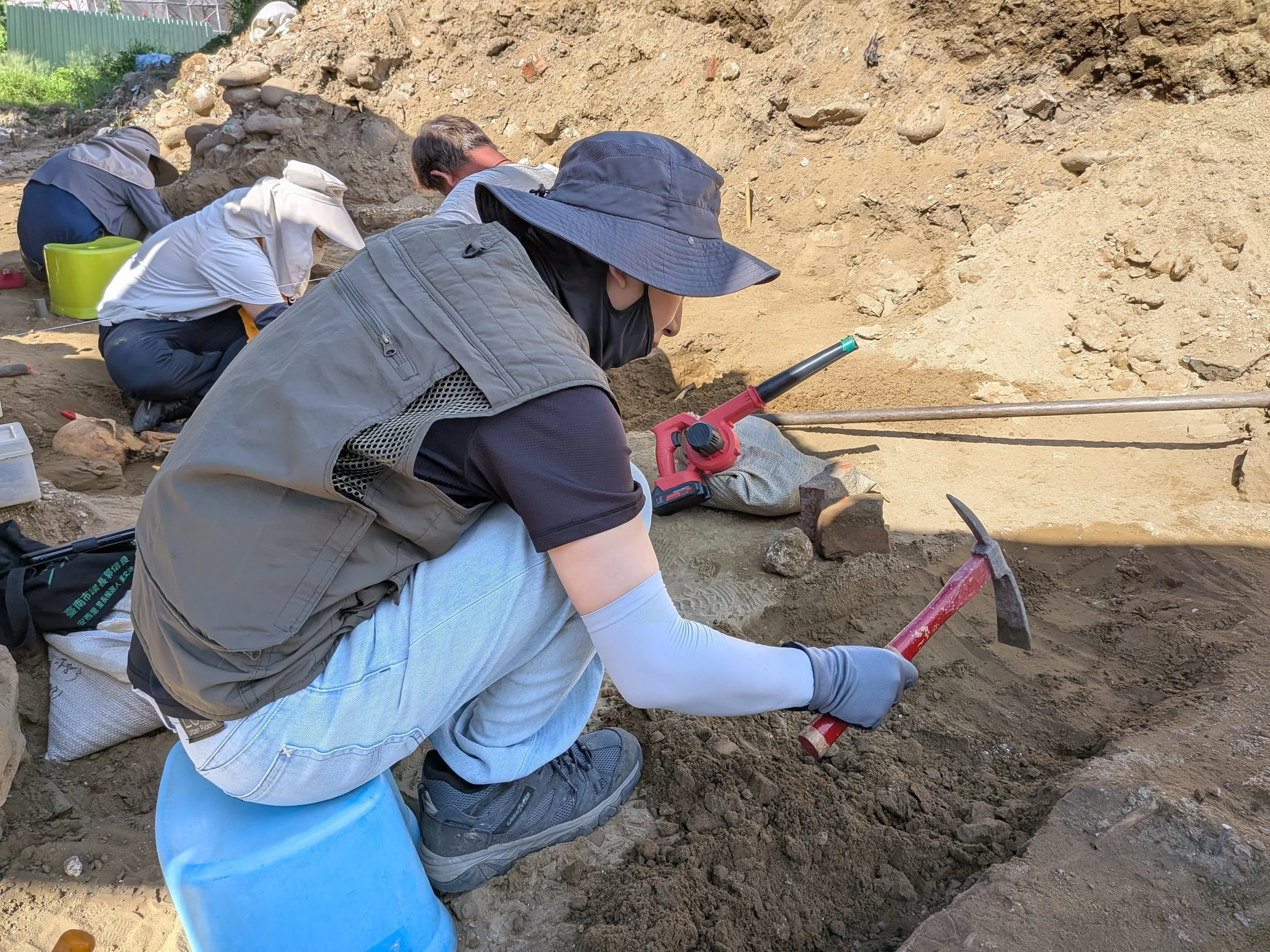


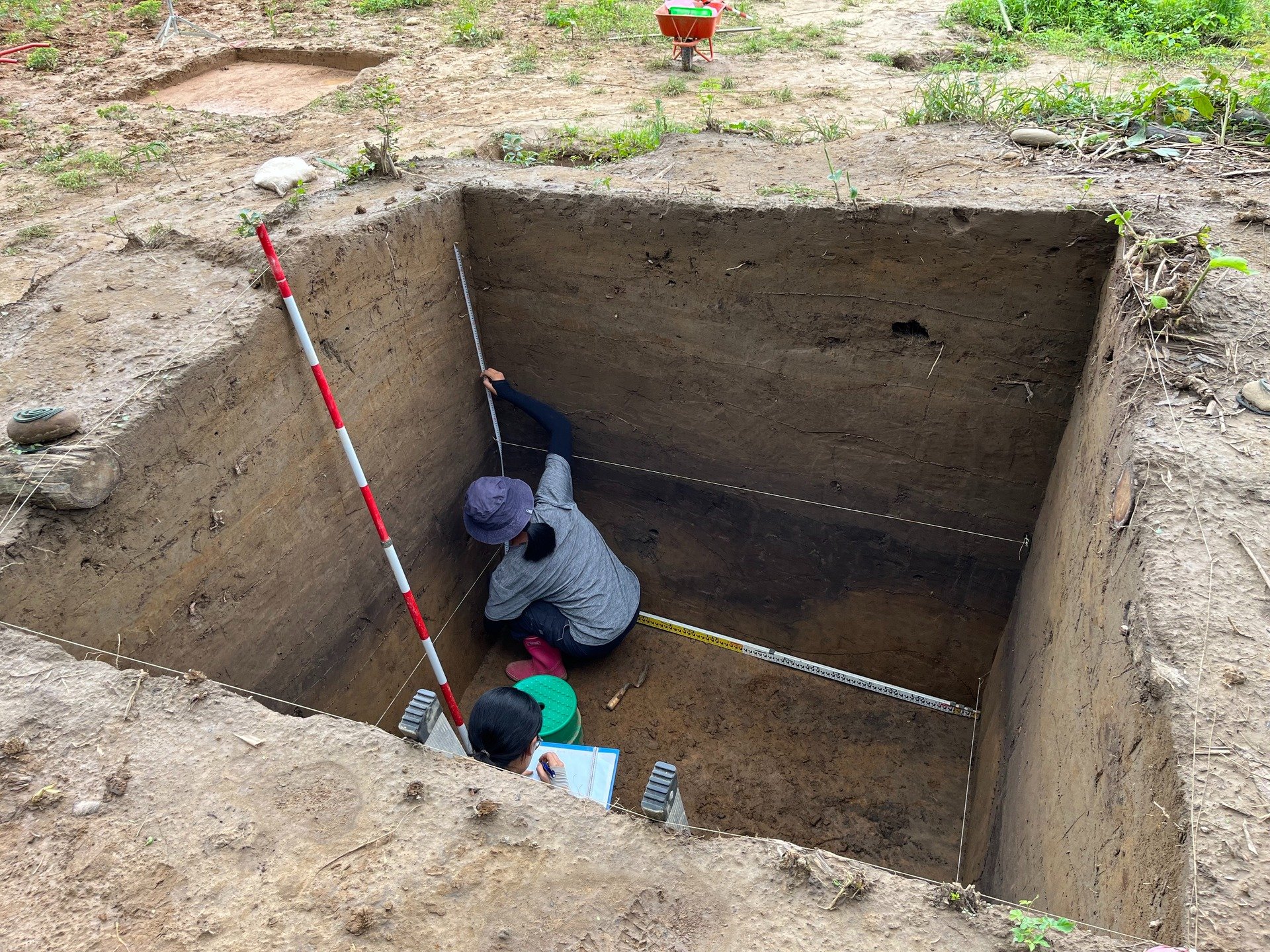
為什麼史前人願意花大把的時間做一個不被使用的東西呢?這些遺物對他們有什麼樣的意義呢?物質文化又如何訴說著他們是誰呢?在田野裡思索過去生活在這裡的是什麼樣的人,同時也在思考自己究竟想成為什麼樣的人,這一個月內經歷了田野學校和大大小小的推廣活動,至少確定希望這樣的光景能常駐在生活裡,也對接下來的個人課題有了前行的方向。
感謝在這裡遇到的人事物,能夠每天與新舊面孔在五股做著不同的活、有著一樣的目標是很幸福的事。